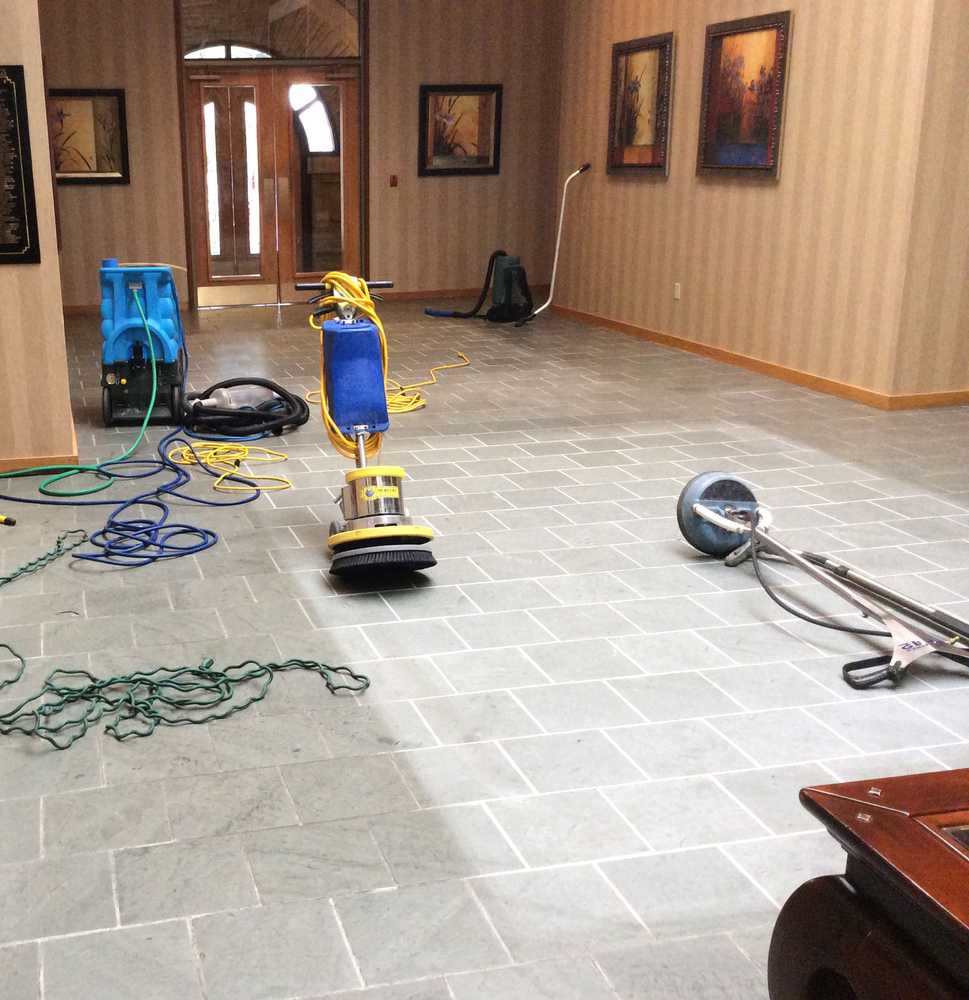
1. What is concrete polishing? Concrete polishing is the process of grinding, refining, and sealing a concrete surface to achieve a smooth, durable, and visually appealing finish. It enhances the concrete’s strength, appearance, and resistance to stains, moisture, and wear.
Polished concrete offers a modern, clean look and is extremely durable. It is low-maintenance, cost-effective over time, and ideal for both residential and commercial spaces. It resists stains, abrasion, and moisture and does not peel or flake like coatings.
Concrete polishing typically includes: Surface preparation and cleaning Gradual grinding with specialised diamond abrasives Honing to refine the texture Polishing to achieve the desired sheen (matte, satin, semi-gloss, or high-gloss)
Time depends on the size of the area and the condition of the existing concrete. Small domestic areas may take a day, while larger or more damaged surfaces may take multiple days.
Yes. A penetrating sealer is usually applied after polishing to protect against stains, chemicals, and wear. Unlike topical coatings, penetrating sealers absorb into the concrete and don’t peel.
Polished concrete can achieve multiple finishes: Matte Satin Semi-gloss High gloss The level depends on the number of polishing stages and customer preference.
Yes. Options include different levels of aggregate exposure (nil, minimal, medium, or full) and different sheen levels. The final appearance depends on the existing concrete slab and grinding depth.
Polished concrete has good slip resistance when dry and is no more slippery than most hard flooring surfaces. Anti-slip treatments can be added if needed for wet areas.
Regular sweeping or vacuuming Damp mopping with neutral pH cleaner Avoid harsh chemicals Use mats in high-traffic or wet areas Re-seal periodically depending on use and environment